
Ruin Begins in Practice
The Heart of a DogThis thematic thread develops the professor's argument that social disorder arises from neglected conduct and broken routines rather than from an abstract force called ruin.
increasing Bearing strength in each event
 decreasing
Bearing strength in each eventdecreasingMemory of Order
A House Remembered
Lost Customs
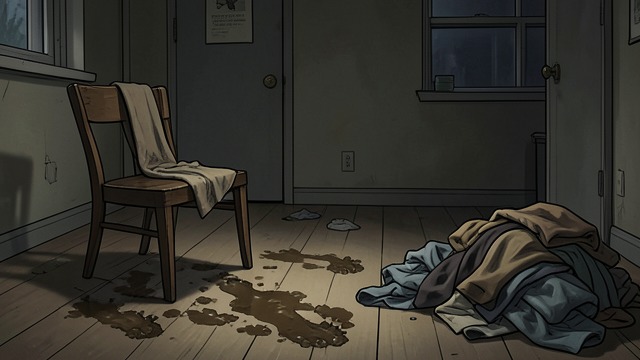
Professor Preobrazhensky recalls the disappearance of galoshes, carpets, and reliable maintenance after March 1917. He uses these losses to describe a change in everyday behavior.
Disorder Made Visible
The examples make social decline concrete: shared spaces become dirty, objects vanish, and repair is neglected. The professor's argument begins with things people can see and do.
The Word Is Challenged
What Is Ruin?
Rejecting an Abstraction
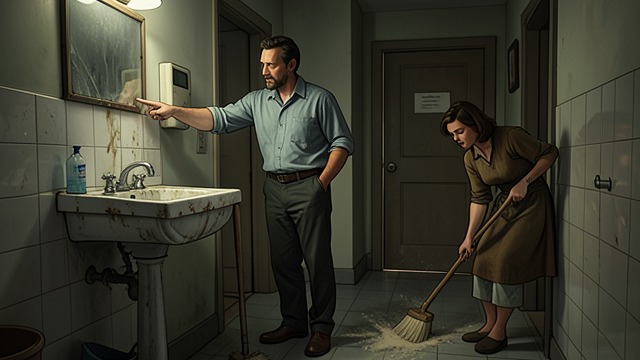
The professor mocks ruin as though it were a witch that breaks windows and extinguishes lights. He insists that the word can hide the choices that produce disorder.
Conduct at Home
He points to practical behavior in the apartment, from proper use of the lavatory to the work of sweeping. In his account, responsibility begins with the individual and the immediate task.
Work Divided by Function
Specialized Work
The Professor's Principle
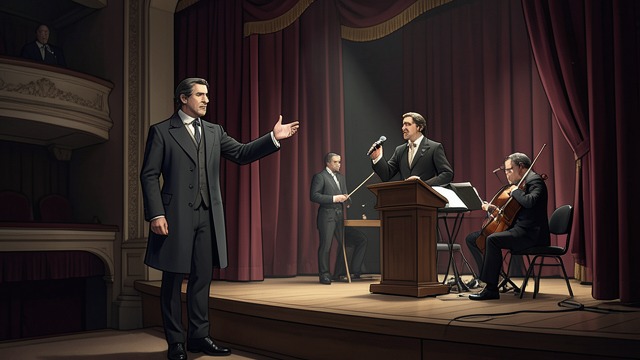
Professor Preobrazhensky argues that he should operate while the Bolshoi Theatre should sing. He believes people must attend to their actual responsibilities instead of substituting meetings for skilled work.
An Orderly Ideal
The principle defends specialization and disciplined practice. It also reflects the professor's conviction that stable institutions depend on people doing their work competently.
The Flat Becomes a Test
Disorder in Daily Life
A Practical Collapse
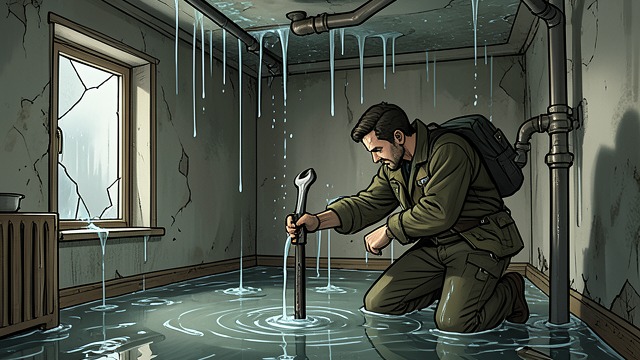
Broken objects, floodwater, disrupted appointments, and repeated crises make the apartment a test of the professor's theory. The household spends its effort repairing harms rather than doing planned work.
Individual Responsibility
Sharikov's behavior illustrates the professor's claim that disorder is enacted through everyday choices. Yet the experiment that produced him also implicates the professor himself.
Order Without Resolution
Calm Returns
Domestic Routine Resumes
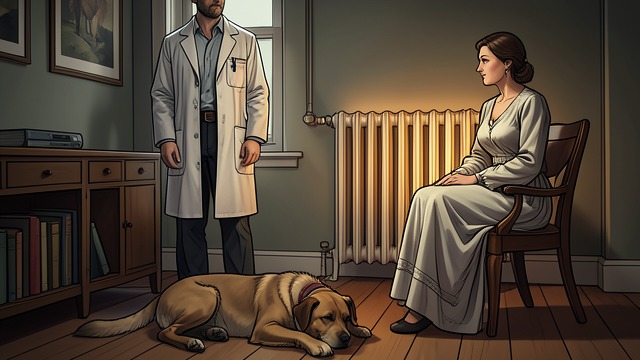
The apartment is quiet when Sharik appears again as a dog. The professor returns to his familiar place, and the radiators warm the home.
A Partial Repair
The household has recovered order, but the scientific and ethical causes of the crisis remain. The ending suggests that orderly rooms cannot by themselves settle wider questions of responsibility.
During the first dinner at the apartment
Later in the same dinner conversation
At the close of the dinner discussion
After Sharikov moves into the apartment
After the final operation
